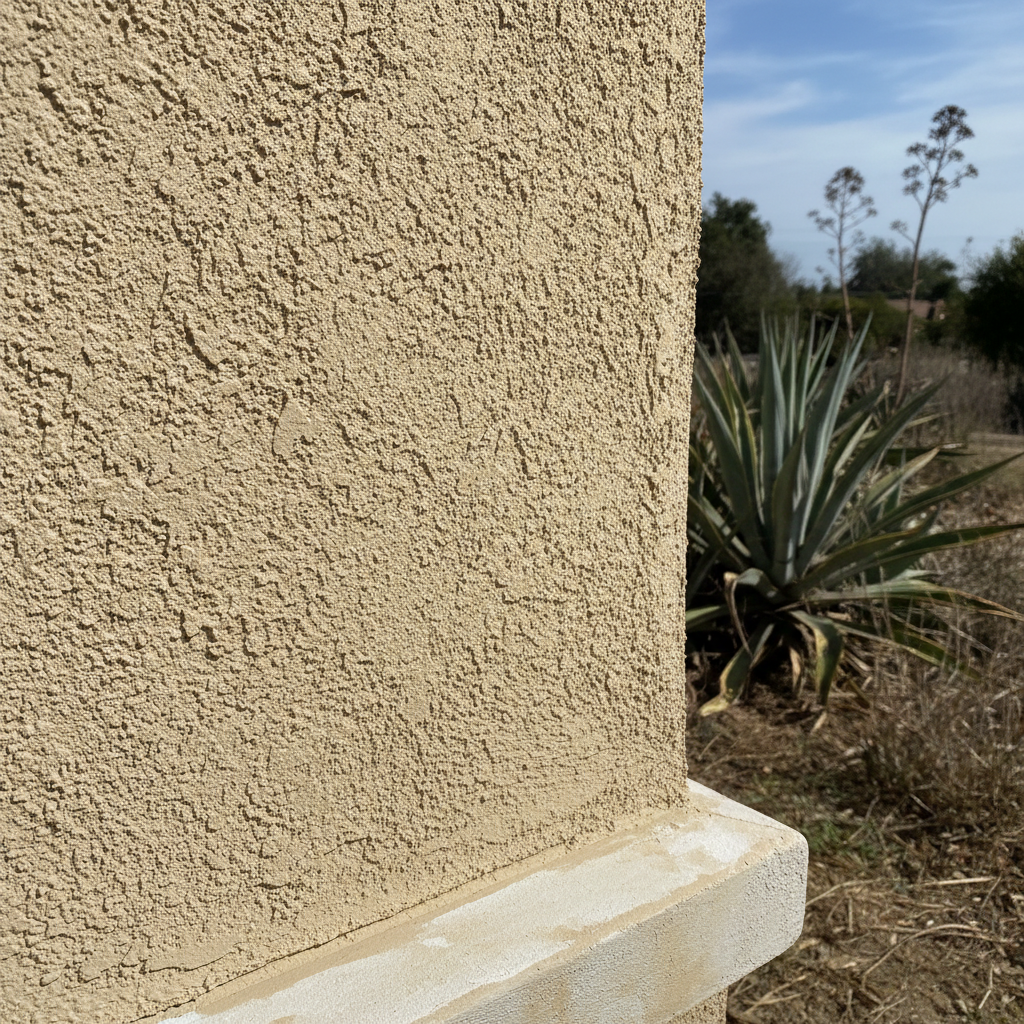
So, you're looking at your stucco and thinking it might be time for a full replacement. Maybe it's got cracks everywhere, or water's been getting behind it, or it just looks tired and outdated. Whatever the reason, tackling a stucco replacement is a big deal, and you need to know what you're getting into. I've seen a lot of stucco in Costa Mesa over the years, and I'm here to tell you what's what.
Before You Start: Assessing the Damage and Planning
First things first: figure out why you're replacing it. Is it just cosmetic, or is there a bigger issue like water intrusion? If you've got water damage, you're not just replacing stucco; you're dealing with potential rot in your sheathing or framing. That's a whole different ballgame.
You'll want to take a good, hard look at your existing stucco. Walk around your house. Look for:
- Widespread cracking: Not just hairline stuff, but bigger cracks, especially around windows and doors, or where different materials meet.
- Bulging or soft spots: Push on the stucco. If it feels spongy or hollow, that's a red flag for water damage underneath.
- Discoloration or efflorescence: White powdery stuff on the surface usually means moisture is moving through the wall.
- Stains: Dark streaks, especially below windows or rooflines, can indicate leaks.
If it's just a small area with some minor cracks, you might be able to get away with a patch job. But if it's widespread, or you suspect water damage, then replacement is probably the way to go. Don't try to just cover up a big problem; it'll only get worse and cost you more down the road.
DIY vs. Calling a Pro: Where Do You Draw the Line?
Alright, this is where a lot of homeowners get stuck. What can you do yourself, and when do you absolutely need to call someone like me?
What you can realistically do yourself (small scale):
- Small patch repairs: If it's a small section, say a square foot or two, and you're confident there's no underlying water damage, you can probably patch it. You'll need to carefully remove the old stucco, apply a new lath (metal mesh), and then apply new stucco coats. Matching the texture and color is the hardest part, and it takes practice.
- Prep work (sometimes): You might be able to help with some of the demolition if you're careful. Removing old stucco can be messy and dusty, but it's not rocket science. Just make sure you're not damaging anything behind it.
When you absolutely need a professional (most cases):
- Full house replacement: This is a massive job. It involves scaffolding, specialized tools, and a deep understanding of building codes and proper layering. You're talking about removing all the old stucco, inspecting the sheathing, installing new weather barriers (like a good quality house wrap), new lath, and then multiple layers of new stucco. It's a system, and if one part isn't done right, the whole thing fails.
- Water damage repair: If you've got rot or mold behind your stucco, you need a contractor who understands building envelopes. They'll know how to properly dry out the structure, replace damaged wood, and install new flashing and drainage systems to prevent future issues. This is especially true in areas like the Mesa Verde neighborhood where older homes might have original stucco that wasn't built to modern moisture management standards.
- Permits: For a full replacement, you'll almost certainly need a permit from the City of Costa Mesa. A good contractor will handle all that paperwork for you.
- Warranty: Professionals offer warranties on their work. If something goes wrong, you're covered.
Look, I'm all for saving a buck, but stucco replacement isn't a weekend warrior project for most people. It's structural, it's about protecting your home from the elements, and it's about curb appeal. If you mess it up, you're looking at bigger problems and more money down the line.
During the Project: What to Expect
If you hire a company like Costa Mesa Stucco, here's a general idea of what'll happen:
- Demolition: We'll carefully remove the old stucco. It's going to be dusty and noisy. We'll protect your landscaping as best we can.
- Inspection & Repairs: This is crucial. Once the old stucco is off, we can see what's underneath. If there's rot or other damage, we'll show you and discuss the best way to fix it before moving forward.
- New Weather Barrier: We'll install a new, high-quality weather-resistive barrier (WRB). This is your primary defense against water.
- Lath Installation: Metal lath (mesh) goes up next, providing a surface for the stucco to key into.
- Stucco Application: This is usually done in multiple coats: a scratch coat, a brown coat (which is leveled and smoothed), and then the finish coat. Each coat needs time to cure properly.
- Cleanup: A good crew cleans up the site daily and thoroughly at the end of the job.
It's a process, and it takes time. Don't expect it to be done in a couple of days. The curing times alone mean you're looking at weeks, not days, for a full replacement.
After the Project: Maintenance and Longevity
Once your new stucco is up, you'll want to keep it looking good and performing well. It's not maintenance-free, but it's pretty low maintenance.
- Regular Inspections: Walk around your house once or twice a year. Look for any new cracks, especially around windows, doors, and where different materials meet. Catching small issues early is key.
- Keep it Clean: Wash your stucco periodically with a garden hose and a soft brush. Avoid high-pressure washers, as they can damage the surface.
- Manage Water: Make sure your gutters are clean and draining properly, and that your sprinklers aren't constantly hitting the stucco. Water is stucco's biggest enemy.
- Sealants: Check the caulking around windows, doors, and penetrations (like pipes or vents). Re-caulk as needed to maintain a watertight seal.
A properly installed stucco system should last for decades. It's a great, durable finish for homes here in Costa Mesa, especially with our coastal climate. Just make sure you do your homework, understand the process, and don't hesitate to bring in the pros when the job gets bigger than a simple patch. Your home is too important to cut corners on something like this.